



How Industrial Valves and Fittings Improve Safety Across Florida’s Food Processing Facilities
Florida’s food processing industry continues to expand, bringing with it higher expectations for safety, sanitation, and operational efficiency. At the center of these demands is a network that often gets overlooked: valves and fittings. Reliable industrial valves and fittings play a critical role in maintaining product quality, preventing contamination, and ensuring that processing facilities can meet both state and federal safety standards. Without these dependable components, even the most advanced equipment can fail to protect consumers and maintain compliance.
The Unique Safety Requirements of Food Processing Environments
Food processing facilities are among the most highly regulated industrial environments. Equipment and piping must meet strict requirements to ensure that no harmful bacteria, chemicals, or foreign materials enter the production stream. Food processing safety piping must withstand frequent sanitization cycles, high-temperature washdowns, chemical cleaners, and continuous operational demands.
Because of these intense conditions, facilities cannot afford leaks, corrosion, or components that are difficult to disinfect. Precision-engineered valves and fittings allow for more consistent sanitation, reducing the risk of contamination and helping plants keep up with regulatory standards issued by the FDA, USDA, and HAACP.
Essential Valves and Fittings for Food-Grade Applications
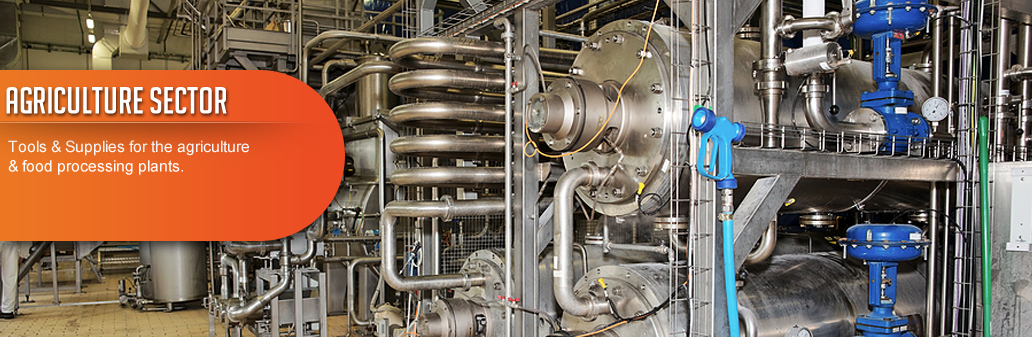
To support sanitary operations, food processing facilities depend on a variety of specialized components. Sanitary valves—such as butterfly, ball, and diaphragm valves—are designed with smooth internal surfaces that eliminate pockets where bacteria may form. Clamp fittings and stainless-steel couplings offer secure connections while allowing easy disassembly for cleaning.
Quick-connects, sight glass fittings, and other sanitary fittings further contribute to a clean, efficient workflow. When these components work together, they help maintain consistent fluid control, reduce contamination risks, and ensure that every part of the system is easy to clean and inspect.
How High-Quality Valves and Fittings Improve Safety and Compliance
Using the right food-grade solutions is a direct investment in operational safety. High-quality materials prevent corrosion, which is one of the most common causes of contamination in food processing. Smooth internal surfaces make cleaning faster and more effective. Connections designed for quick disassembly help maintenance teams complete their work with less downtime.
Moreover, reliable valves and fittings maintain consistent pressure and fluid flow, reducing the likelihood of system failures. This consistency is essential not only for production accuracy but also for meeting health and safety guidelines that protect consumers from foodborne illnesses.
Material Matters in Harsh Processing Conditions
Most food-grade applications rely on stainless steel due to its corrosion resistance and compatibility with high-temperature, high-pressure sanitation cycles. In Florida’s hot, humid climate, corrosion-resistant materials are even more important. Facilities that use high-quality valves and fittings experience fewer failures, longer service life, and reduced maintenance costs.
By choosing components built from durable materials, operators can better manage the wear and tear caused by continuous use, harsh chemicals, and rapid shifts between hot and cold processes.